Choosing the right concrete mix grade is one of the most practical decisions on any build. Get it wrong, and the result is either understrength concrete that fails under load, or overspecified concrete that costs considerably more than the job requires. The C grades, from C10 through to C40, each represent a specific compressive strength, and each suits a different type of work. Knowing what the numbers mean, where each grade is typically used, and what drives the specification makes the buying decision cleaner and faster from the start.
Concrete Mix Grades Explained Simply
Understanding grades starts with understanding what the “C” number measures.
What the “C” Grade Means
The “C” in C10, C25, or C40 stands for compressive strength. The number that follows is the minimum compressive strength of the concrete in newtons per square millimetre (N/mm²), measured after 28 days of curing. C25 concrete, for example, reaches at least 25 N/mm² after 28 days.
How Compressive Strength Is Measured
Compressive strength is tested by casting concrete cylinders or cubes during the pour, curing them under standard conditions, and crushing them at 28 days to measure the load they withstand before failure. The result confirms whether the mix meets the specified grade.
Why the Grade Number Matters
Higher grades contain more cement per cubic metre, which increases strength but also increases cost and heat of hydration. Specifying a higher grade than the job requires wastes money. Specifying too low risks structural failure, cracking, or premature surface wear, outcomes that are far more expensive to fix after the fact.
How to Choose the Right Grade
The right grade comes from three factors:
- Load: What the concrete needs to support: foot traffic, vehicles, structural loads
- Location: Whether it is indoors, outdoors, below ground, or exposed to freeze-thaw cycles
- Purpose: Surface slab, structural element, fill, or blinding layer
When in doubt, consult a structural engineer or speak to the concrete supplier before specifying.
See also: Lifestyle Adherence on Weekly Semaglutide
C10 to C40 at a Glance
Each grade serves a specific purpose. Here is a quick reference before the full breakdown.
| Grade | Strength (N/mm²) | Typical Use |
| C10 | 10 | Blinding, trench fill, non-structural |
| C15 | 15 | Domestic paths, kerb bedding |
| C20 | 20 | Domestic floors, driveways, strip foundations |
| C25 | 25 | Foundations, suspended slabs, light commercial |
| C30 | 30 | Driveways, structural slabs, RC elements |
| C35 | 35 | Commercial floors, RC beams and columns |
| C40 | 40 | Heavy structural, high-traffic, exposed elements |
C10
C10 is the lowest grade used on site. It is not structural and is typically used as a blinding layer beneath reinforced concrete or as fill in trenches where strength is not the primary requirement. It is mixed lean, with less cement and more aggregate, which keeps costs low for applications where performance demands are minimal.
C15
C15 suits light domestic applications: garden paths, kerb bedding, and non-load-bearing base layers. It has more strength than C10 but is still considered a below-standard structural mix. Frost resistance is limited, so C15 is better suited to sheltered or internal applications than exposed outdoor surfaces.
C20
C20 is one of the most commonly specified grades for domestic work:
- Internal ground-floor slabs
- Domestic driveways with light vehicle use
- Strip foundations for single-storey structures
- General-purpose bases and pads
It offers a reliable strength-to-cost balance for jobs that need structural performance without the expense of higher grades.
C25
C25 handles most residential structural requirements:
- Strip and pad foundations for two-storey structures
- Suspended slabs and beam-and-block floors
- Light commercial floor slabs
- RC elements in standard residential applications
It is the point where durability, strength, and cost begin to converge for most domestic and small commercial jobs.
C30
C30 is the standard grade for driveways subject to regular vehicle use, structural slabs that carry significant load, and reinforced concrete elements in commercial construction. Its higher cement content improves resistance to surface wear and weathering compared to C20 or C25.
C35
C35 is specified for commercial floor slabs, reinforced beams, columns, and structural elements that carry consistent heavy loads. It is rarely used in domestic applications unless the project involves unusual structural demands or high-traffic areas.
C40
C40 is at the top of the standard grade range. It is specified for demanding structural applications: heavy civil engineering, large reinforced concrete frames, elements exposed to aggressive environments, and high-traffic commercial floors. The high cement content makes it significantly more expensive per cubic metre than lower grades, which is why it should only be specified when loading or exposure conditions call for it.
When to Use Each Grade
Practical breakdown by application rather than by grade.
C10: Blinding, Trench Fill, and Non-Structural Work
Use C10 when the concrete’s job is to provide a clean, level surface for reinforcement placement, or to fill a void where strength is not critical. It is not suitable as a finished surface or structural element.
C15: Light Domestic Applications
Use C15 for garden paths, kerb bedding, and non-load-bearing domestic bases. If the surface will be exposed to vehicle tyres or regular heavy foot traffic, step up to C20.
C20: Floors, Driveways, and Foundations
C20 is the go-to grade for most domestic jobs. Internal slabs, lightly used driveways, and strip foundations for single-storey buildings all sit comfortably within C20’s capabilities. It is the most cost-effective structural grade for standard residential work.
C25 to C30: Heavier Domestic and Light Commercial
Use C25 for foundations carrying a two-storey structure, suspended floors, and light commercial slabs. Step up to C30 when vehicle loads are regular, the slab spans are larger, or the project sits at the boundary between domestic and commercial specification.
C35 to C40: Demanding Structural and Commercial Work
C35 and C40 are commercial and civil engineering grades. Specify them for reinforced beams, columns, heavily trafficked floors, and environments where chemical or freeze-thaw exposure is a factor. These grades are rarely appropriate for domestic work and carry a significant cost premium over C20 or C25.
What Affects Grade Selection
Grade selection goes beyond strength; these four factors shape the right specification.
Load-Bearing Needs
The amount of weight the concrete needs to support is the biggest factor in choosing the right grade. A garden path only needs to handle foot traffic, while a commercial car park may need to support heavy goods vehicles (HGVs). Matching the concrete grade to the expected load helps avoid both underperforming concrete and unnecessary expense.
Indoor vs. Outdoor Exposure
Outdoor concrete faces freeze-thaw cycles, rain, and UV exposure that indoor concrete does not. Exposure class requirements under BS 8500 may push the minimum grade higher than the structural load alone would suggest, particularly for elements in contact with soil, standing water, or de-icing salts.
Foundation or Surface Use
Surface concrete and structural concrete have different performance requirements. A C20 floor slab is structural but not exposed to impact or abrasion in the same way a C30 commercial floor is. Below-ground foundations may also require sulphate-resistant mixes regardless of grade, depending on soil conditions.
Budget and Durability Balance
Higher grades cost more per cubic metre, but underspecifying can cost far more in repairs or replacement. The right balance is the lowest grade that comfortably meets the load, exposure, and durability requirements of the specific project.
FAQs
What is the difference between C10 and C40?
C10 reaches 10 N/mm² compressive strength at 28 days and is used for non-structural work like blinding and trench fill. C40 reaches 40 N/mm² and is used for heavy structural and commercial applications. The difference is primarily cement content, which drives both strength and cost.
Which concrete grade is best for driveways?
C20 suits domestic driveways with light vehicle use. C25 is appropriate for heavier domestic use or occasional larger vehicles. C30 is the minimum for driveways that regularly carry commercial vehicles or are subject to significant wear.
Which grades are suitable for foundations?
C20 works for single-storey strip foundations. C25 suits two-storey residential foundations and most standard domestic structural applications. C30 and above is used where loading is higher or ground conditions require a more durable mix.
Takeaway
The right concrete mix grade is the one that matches the load, location, and purpose of the pour. C10 and C15 handle non-structural and light domestic work. C20 and C25 cover most residential structural applications. C30 bridges domestic and commercial use. C35 and C40 are for demanding structural and commercial projects where strength and durability requirements go beyond standard residential specification.
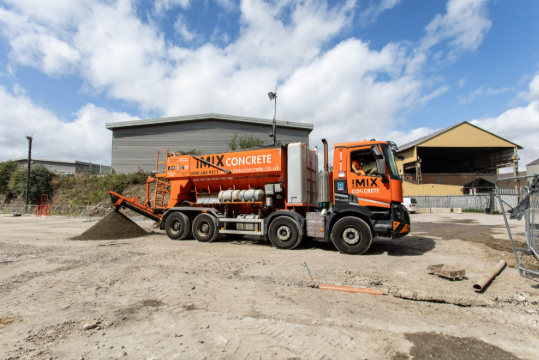
Pro-Mix Concrete supplies ready-mix and volumetric concrete across London and the surrounding areas, with mix designs from C10 through to C40. Whether you need a small domestic pour or a larger commercial job, we can advise on the right grade and deliver to your schedule.
Call Pro-Mix Concrete to discuss the right grade for your project.