Fashion and graphic design must operate as a single system. Teams align on objectives, color psychology, and material storytelling from day one. A shared language translates concepts into a cohesive visual grammar. From mood boards to lookbooks, the production lifecycle keeps vendors aligned and delivery on track. Measurable levers—palettes, typography, brand storytelling—anchor decisions, while iterative checks keep bold ideas tethered. The result invites a next step, if you’re ready to synchronize strategy with craft.
What Makes Fashion and Graphic Design Collabs Tick
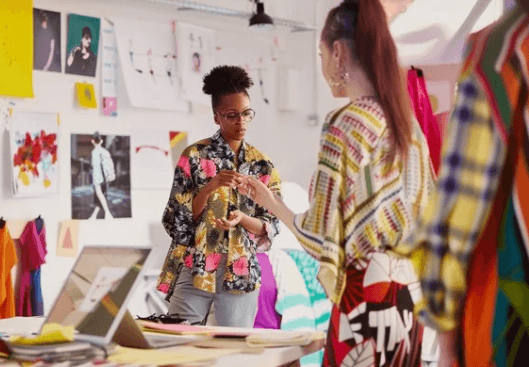
Collaborations between fashion and graphic design work because they align distinct strengths into a single, repeatable process: fashion supplies form, fabric, and function; graphic design supplies identity, messaging, and visual impact. They tick through clear objectives: color psychology guiding mood, branding coherence, and material storytelling elevating tactility. A strategic cadence fosters bold experimentation, collaborative accountability, and measurable outcomes that honor freedom while delivering consistent creative leverage.
Building a Shared Creative Language Across Teams
Building a shared creative language across teams requires a deliberate framework that translates diverse vocabularies into a single, actionable grammar. The approach centers on concept alignment, defined early to prevent drift. Cross functional rituals sustain momentum, while collaboration metrics measure progress. Clear visual storytelling benchmarks guide decisions, fostering bold, strategic collaboration that honors freedom and drives cohesive, innovative outputs across disciplines.
From Concept to Lookbook: The Production Lifecycle
From Concept to Lookbook: The Production Lifecycle unfolds as a disciplined sequence that transforms initial ideas into a tangible editorial and retail-ready presentation. The process centers on concept briefs and mood boards, aligning teams through clear production timelines and decisive vendor coordination. It remains bold, strategic, and collaborative, delivering freedom-driven outcomes without unnecessary embellishment or redundancy.
Measuring Impact: Palettes, Typography, and Brand Storytelling
In measuring impact, palettes, typography, and brand storytelling are treated as measurable levers that translate concept into recognizable identity. The approach foregrounds palette psychology, aligning color choices with audience emotion while typography storytelling anchors messaging across platforms.
Bold collaboration translates insight into scalable branding, enabling strategic flexibility and creative freedom, with disciplined analytics informing iterative refinements and a cohesive, room-for-imagination brand narrative.
See also: Web3 Development Guide
Frequently Asked Questions
How Do Budget Constraints Shape Collaboration Outcomes?
Budget constraints shape collaboration outcomes by forcing ethics sustainability considerations early, guiding partnerships and IP licensing, and shaping teams, software tools, workflows, and consumer perception; demand drives prioritization, aligning partnerships, budgets, and value across collaborations.
What Roles Do Ethics and Sustainability Play in Partnerships?
Ethics and sustainability shape partnerships and accountability by aligning values, ensuring transparent decision-making, and distributing responsibility. They empower bold strategies, foster collaborative trust, and guarantee freedom to innovate while holding all parties to measurable standards and shared outcomes.
How Is IP and Licensing Managed Across Teams?
IP licensing is governed by cross team alignment, with finance constraints shaping terms; ethical sourcing and sustainability metrics influence brand collaboration strategy, while design software integration and consumer perception guide decisions in a bold, collaborative framework.
Which Software Tools Bridge Fashion and Design Workflows?
The question asks which software tools bridge fashion and design workflows. Boldly, fashion software and design workflows converge via integrated platforms, enabling collaborative ecosystems, scalable asset management, and real-time feedback, empowering teams to pursue freedom through strategic, cross-disciplinary tooling.
How Do Collaborations Impact Consumer Perception and Demand?
Collaborations influence perception shifts and reshape demand dynamics by signaling innovation, shared values, and credibility; they create bold, strategic narratives that appeal to freedom-seeking audiences, while fostering collaborative trust and accelerating market response through aligned branding and co-created value.
Conclusion
The collaboration between fashion and graphic design thrives when teams speak a shared visual language, aligning color psychology, branding, and material storytelling from kickoff to delivery. A bold, strategic framework keeps objectives clear while enabling flexible experimentation. From mood boards to lookbooks, decisive vendor coordination and measurable levers—palettes, typography, brand storytelling—anchor every decision. Was the production lifecycle not merely a process, but a proving ground where creativity and strategy fuse into a scalable, cohesive brand narrative? The answer lies in disciplined collaboration.